
The collection of evidence is a delicate and fundamental process, which forms the basis for verifying a theory.
In this article, we will explore the main mistakes a citizen can make when attempting to gather evidence for use in court, without relying on qualified professionals.
In the Italian legal system, the notion of evidence obtained unlawfully is addressed by art. 191 of the Code of Criminal Procedure, which states that evidence obtained in violation of current regulations is not admissible.
Among the illicit methods most used by citizens are:
- the unauthorized recording of a conversation: anyone who records a conversation in which they are not present is always criminally liable (art. 15 of the Constitution - art. 617 of the Penal Code - art. 617 bis of the Penal Code - art. 623 bis of the Penal Code - Cass. pen. no. 3061/2010). Equally illegal is the recording made at the private residence of the recorded person, even if the actor is present (art. 615 bis of the Penal Code);
- The installation of spyware, or software to remotely monitor a device, may constitute the crimes of: unauthorized access to a computer system (Article 615 ter of the Penal Code), violation of electronic correspondence (Article 616 of the Penal Code), and unlawful interference in private life (Article 615 bis of the Penal Code);
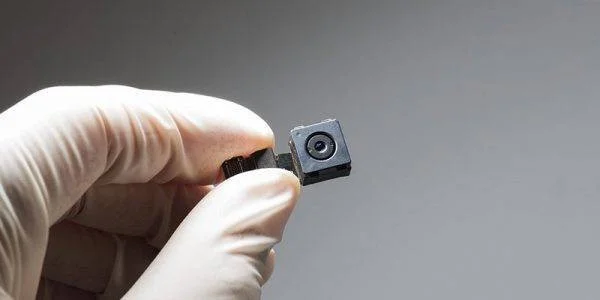
- video recording without others' consent. The Supreme Court has declared that a camera can be used to record other people when:
- the recording does not take place in places of private residence of the recorded subject;
- the subject capturing the scene must be an "actor" in it: consequently, they cannot operate the camera and walk away.
If the stated conditions are respected, scenes of daily life can be filmed inside one's own home, without, however, distributing them;
- turn to self-styled private investigators, lacking a prefectural license. Anyone who unlawfully practices a profession for which a special state authorization is required is criminally liable, constituting the offense of unauthorized practice of a profession (art. 348 c.p.).
In conclusion, gathering evidence illegally is an absolutely counterproductive strategy as the evidence would not be admissible in court and the plaintiff would expose themselves to serious legal repercussions.
A private investigator holding a Police License acts with utmost professionalism and in full compliance with the law, acquiring evidence and information that is fully reproducible in court.
The profession of a private investigator is very complicated from an operational standpoint and requires a deep understanding of laws and court rulings.
The citizen who suddenly becomes an investigator risks irreparably compromising themselves.
The AIRO Investigative Institute provides its resources and expertise to protect the interests and rights of its clients.
Comments
Be the first to leave a message.
Thanks, your message is live.
Thanks, your message is awaiting moderation.