
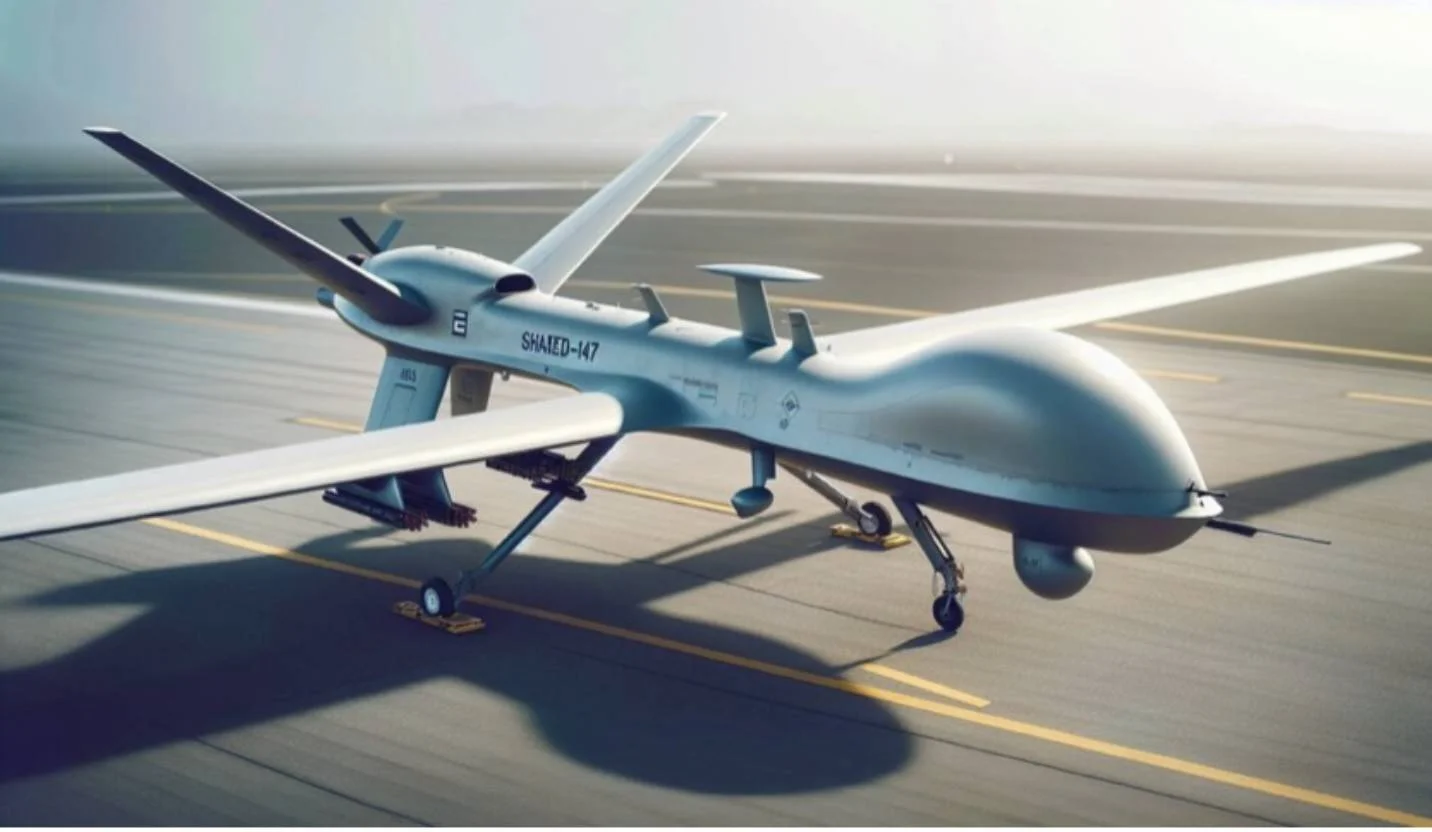
Military drones, also known as unmanned aerial vehicles (UAVs), have become an indispensable tool for armed forces worldwide.
These high-tech devices offer a range of advantages over traditional methods of surveillance, attack, and reconnaissance.
In this article, we will explore the features, advantages, and concerns raised by the use of such equipment.
Military drones are aircraft that do not require a human pilot on board the vehicle.
They can indeed be controlled via satellite connection from a ground station.
They can also be equipped with sensors, cameras, and weapons depending on the role and function.
Technology advances at an impressive pace, allowing these tools to fly at great heights, remain in the air for extended periods, and carry a variety of payloads, including high-resolution cameras and sophisticated weaponry.
They are instruments that can be divided into different categories based on their size, flight capability, and the altitude they can reach.
The main types are:
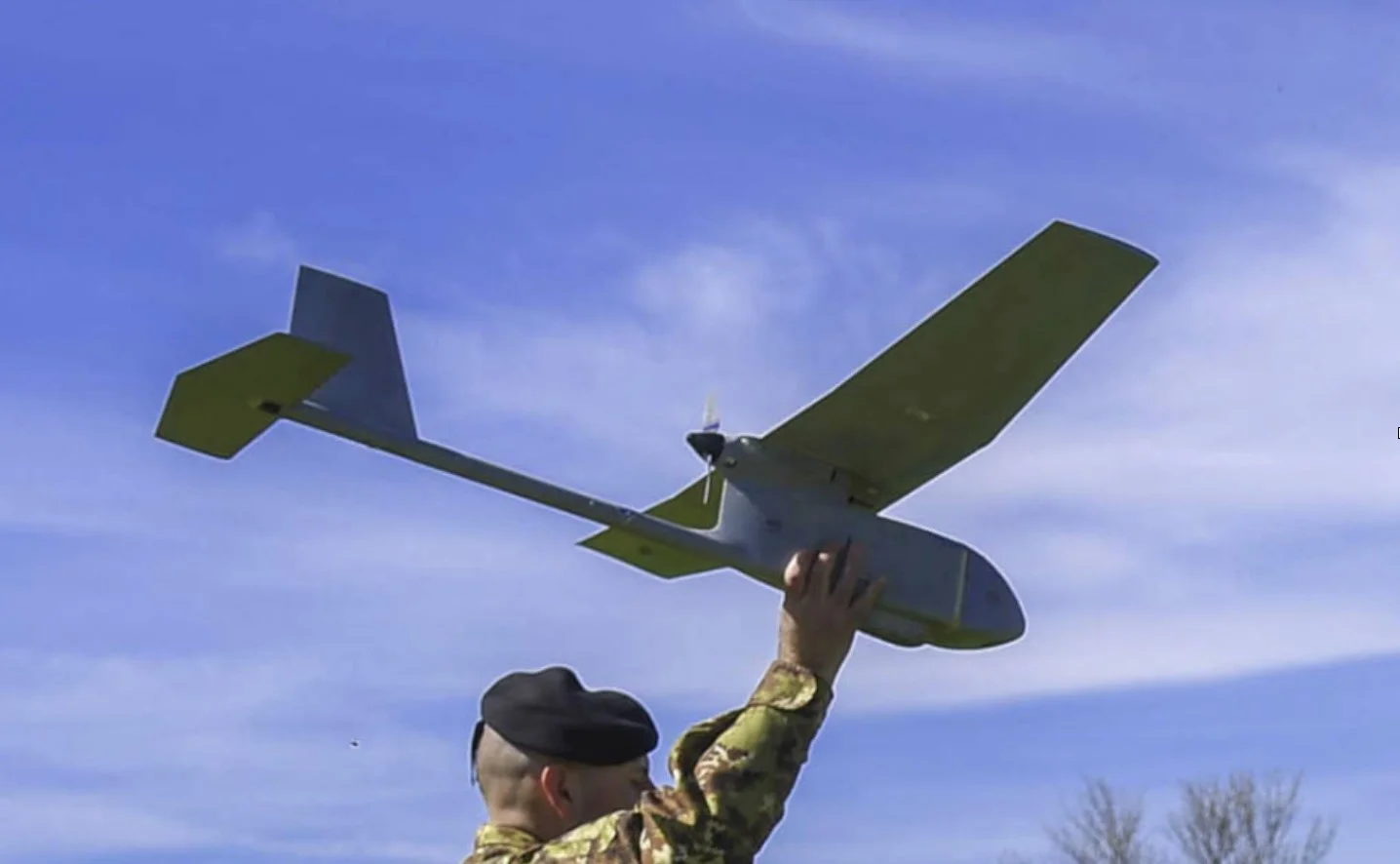
- Mini UAVs: small drones that can be hand-launched or catapulted; they are mainly used for short reconnaissance and surveillance at a low altitude. They have a wingspan of less than 5 meters and weigh less than 25 kg;
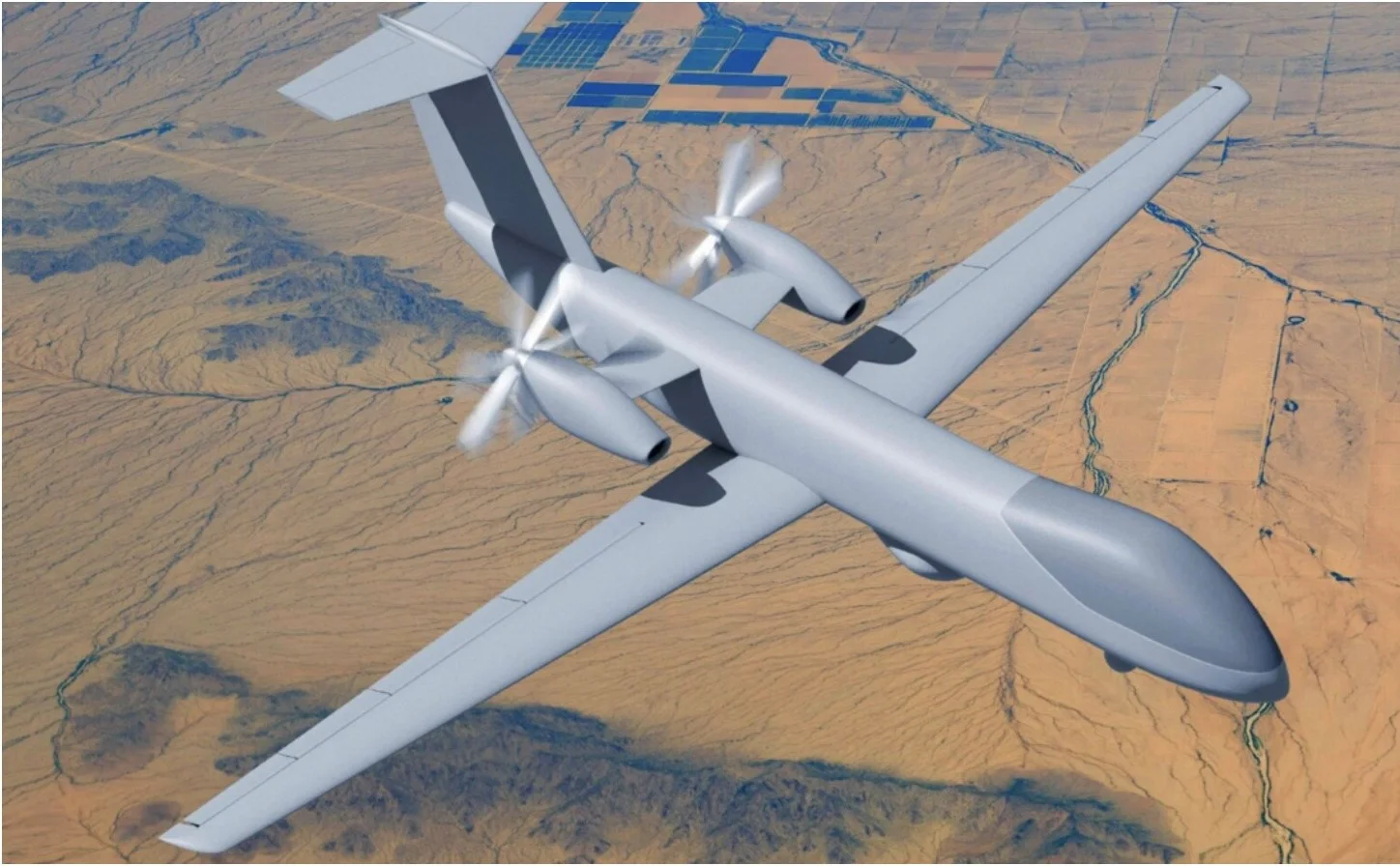
- Medium-Altitude Long-Endurance (MALE) UAVs (medium range - medium altitude): these are larger drones that can fly up to 15,000 meters in altitude and up to 24 hours. They are mainly used for surveillance, reconnaissance missions and as combat support. They have a wingspan that can reach 30 meters and a weight that can reach 2,000 kg.
- High-Altitude Long-Endurance (HALE) UAVs (long-range high altitude): these are the largest and most equipped drones; they can fly up to 20,000 meters in altitude and for more than 40 hours. They are primarily used for surveillance and reconnaissance missions due to their ability to cover large distances and remain airborne for extended periods. They have a wingspan that can reach 40 meters and a weight that reaches 15,000 kg (an empty airliner weighs about 22,000 kg).
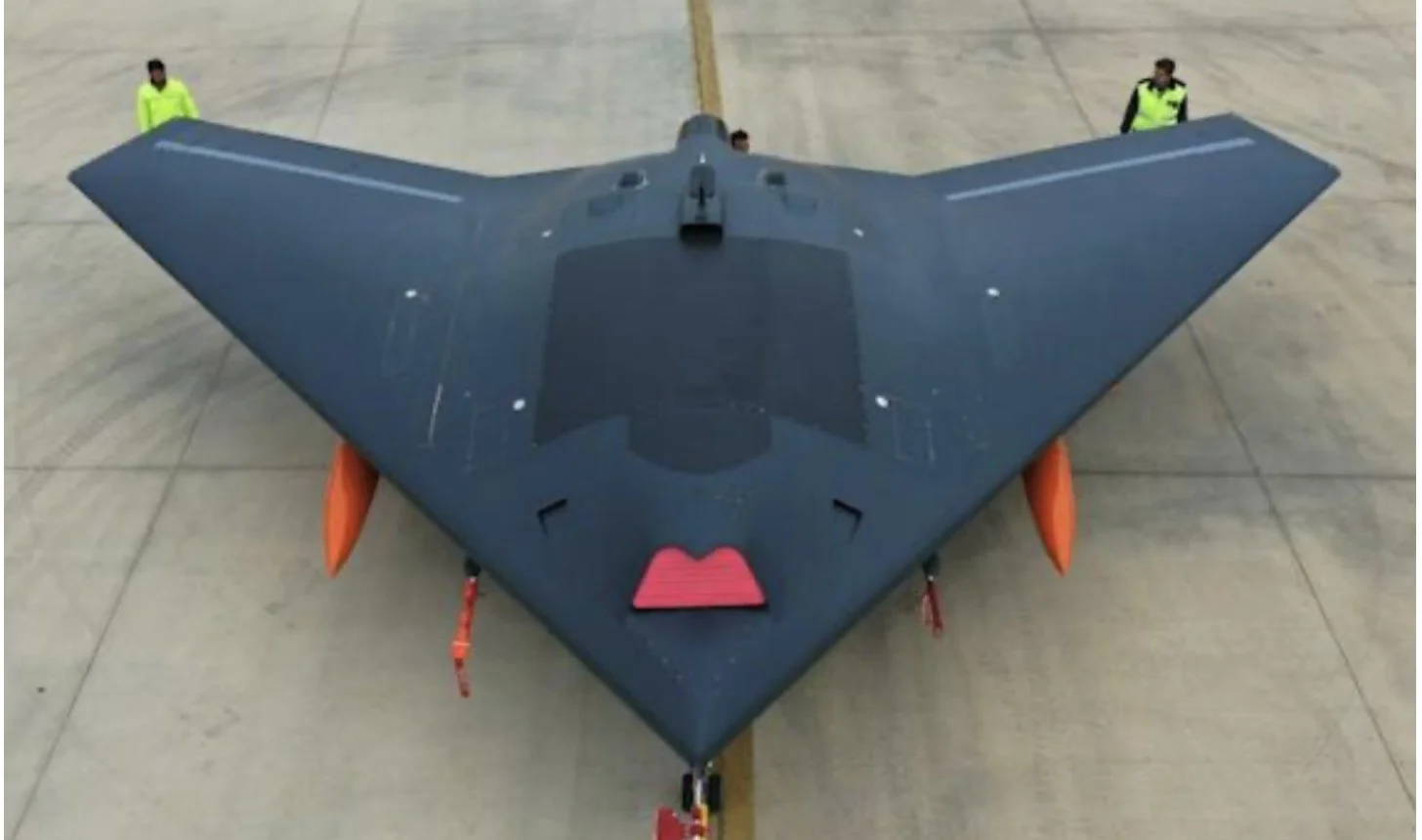
- Unmanned Combat Aerial Vehicles (UCAVs) (unmanned combat aerial vehicles): are drones designed for attack and combat missions. They can carry missiles, bombs, and other weapons, can operate autonomously or semi-autonomously, and can perform complex maneuvers.
Drones use various types of propulsion; some use jet propulsion, which exploits the principle of reaction to generate thrust; others use electric propulsion, which uses energy to power the drone's motors.
It is important to note that the type of propulsion used can affect the drone's performance, including its flight range, maximum speed, and payload capacity.
For example, jet-propelled drones tend to have a higher maximum speed and greater payload capacity, but they may have a shorter flight range compared to electrically propelled drones.
Among the main advantages related to the use of such equipment are:
- the reduction of the risk of casualties and injuries. These tools can indeed operate in dangerous and hostile environments without the use of onboard personnel;
- the reduction of operational and maintenance costs, as they are cheaper to purchase and simpler to use compared to manned aircraft; they also have greater flight capability with less fuel consumption;
- improvement of situational awareness and decision-making process, as they can provide real-time data and information.
Based on these advantages, military drones are widely used by many countries and organizations around the world. Some examples are:
- Italy is developing its own drone industry and has a fleet that it uses primarily for national and international missions, as well as for humanitarian and peacekeeping operations;
- the United States, which is the leading country in the development and use of military drones employed for attack, combat, and support missions, both in conventional and asymmetric warfare, as well as for counterterrorism and homeland security. The USA is the main exporter of military drones;
- China is the second country in the development and use of military drones, which it employs for missions, combat, and support, both in regional and global scenarios, for territorial defense and maritime security. This country is also one of the main exporters.
The future of military drones looks promising, with new technologies and capabilities under development that are constantly expanding their functionalities and areas of application.
Despite their advantages, however, the use of drones also raises important ethical issues, which include:
- the responsibility for the use of lethal force, the protection of civilians and human rights, and the respect for international law and norms;
- security risks of the instrument, being vulnerable to cyberattacks, jamming, hacking and spoofing, as well as the possibility of accidents, malfunctions, and collisions;
- they can create political and social controversies due to public perception regarding their use, transparency, and oversight of operations.
In conclusion, military drones represent a crucial part of modern warfare and defense, as they offer advantages that complement and enhance a country's military performance.
However, it is essential to consider the technical and operational risks, as well as the ethical and legal issues in their use.
New drones were presented during the Millipol Paris event, held from November 14 to 17, 2023, allowing key figures in the security and intelligence sector to explore the main features of these tools. The company AIRO also participated in the event as a qualified and established national operator in the fields of Security and Private Intelligence.
Comments
Be the first to leave a message.
Thanks, your message is live.
Thanks, your message is awaiting moderation.